The Yin and Yang of Websites and Trade Shows

The Yin and Yang of Tradeshows and WebsitesExhibitors often spend hundreds of thousands of dollars for the opportunity to meet face-to-face with prospects over the course of a few days. Websites, on the other hand, are the 365 days-a-year, 24/7 workhorses of marketing. Instead of looking at these two marketing strategies as competing, marketers and content writers should consider the power of yin and yang. Together, websites and trade shows can work together to enhance both online and offline sales and interaction. There is no substitute for face-to-face interaction, but trade show marketing needs to extend before and after the show. Websites can not only drive more potential buyers to your exhibit, they can also provide convenient after-the-show support at a time convenient to the buyer. At the same time, trade shows offer marketers an excellent source of content that can be used to enhance a potential customer’s online experience.

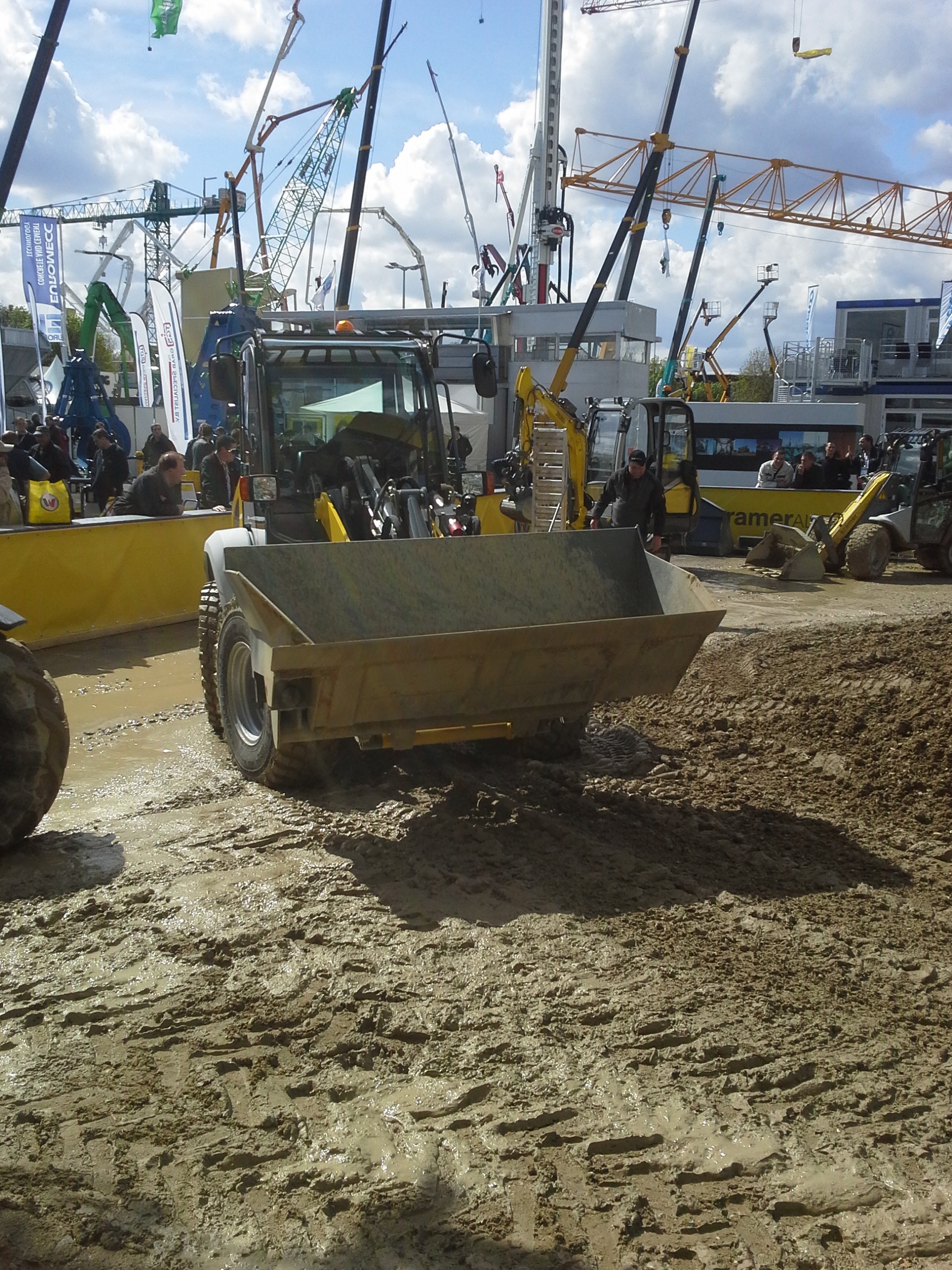
Tradeshow yinIntermat 2012 Exhibit

Use trade shows to generate content for the website. Capture customer interviews or record videos with product experts. Video product demonstrations and get reactions from interested trade show attendees. After face-to-face meetings  connect with prospects  through social media channels. Ask questions and notice how attendees respond to your messages. Learn what their sales objections are.  Take note of pain points to generate new ideas for content.

Website yang

Before the show use your website to let buyers know where and when you will be exhibiting and what you will have on display. Build suspense for new product introductions. At the show, use QR codes to help buyers access relevant information right from their smart phones. Recognize that prospects don’t want to carry around your literature or ship it home in a suit case. They want to access everything online, in their own language. Make sure your website is up-to-date with the latest information from the show. Nothing is more frustrating for a buyer or journalist than knowing there is something new but being unable to find information on it. Yet it happens all the time when trade show planners, pr professionals and online marketers work in different silos. It’s a missed opportunity. Once you capture their attention at the show, a website should pull buyers through the sales cycle, providing content that will help buyers make informed decisions. 1)      Comparisons with competitive products 2)      Comparisons with other products in your line 3)      Case studies 4)      Frequently asked questions 5)      Technical support 6)      Where they can buy 7)      When it will be available 8)      How much it will cost 9)      Warranty or guarantee

Follow-up is essential

Email marketing can bridge the gap from the trade show to your website. Instead of just capturing email addresses, keep track of what products or services trade show visitors are interested in, and send relevant messages geared to their interests. Let prospects know you were listening. Trade shows are a huge investment for many companies. Take a yin and yang approach to get the most from both your trade shows and your website. Do they work together at your company? What are the challenges?

Is Your Content Writer Asking the Right Questions?

question markDo you have the right content writer for the job? The questions a content writer asks will tell you a lot about a writer’s ability to drive traffic to your site and convince prospects to take the next step.

1)      Do they ask for the objectives of the website or of each page?

Without clear objectives it will be difficult for a content writer to satisfy your needs.

2)      Do they ask for the keywords and keyphrases you are targeting for your business?

If your writer doesn’t ask about keywords it’s a clear sign they don’t know much about search optimization . Without the right keyword and keyphrases, your firm’s content won’t improve search results.

3)      Do they ask for the names of clients to contact, to learn more about your product or services?

Good content writers know that the most powerful testimony for any product or service comes from the customer.

4)      Do they ask for the names of product or service experts to contact?

Asking for additional resources to contact demonstrates a writer’s willingness to delve deep to get a firm understanding of the product or service.

5)      Do they ask for the names of your competitors?

A good content writer will ensure that your website content is unique. Checking out the competition is smart strategy.

6)      Do they ask you to describe the tone and feel you want for your site?

Will it be informal, formal, or humorous? A good content writer saves time by finding out up front.

7)      Do they ask for the names of websites you like?

Sometimes it’s hard to describe what you like. Showing someone what you like can be an efficient way to communicate it, even if it’s completely unrelated to your industry.

8)      Do they ask for previously written literature or successful promotions?

A good content writer will want to know what has worked in the past, and what hasn’t.  There is no sense repeating a mistake.

9)      Do they ask how you will measure the success of what they do?

Asking this question demonstrates a writer’s commitment to achieving results, not just creating words for a page.

A good content writer asks a lot of questions, and seeks out the answers. If your content writer isn’t asking those questions, your content is likely to show it. Is there anything a writer shouldn’t ask about?

With Listening, Comes Clarity

headphones and keyboardBefore you write a word of content for your B2B website, listen to your customers.

Carve 30 minutes out of your schedule,  leave your preconceived notions about your business at the door and call a customer. Instead of worrying about selling something, focus on listening.  Listen to their questions and answer them.  Hear their problems and ask yourself if you have a solution.  Ask about the process they went through before they purchased. Ask how they felt afterward. Ask what motivates them to buy. Ask what you could do better.  Ask them to describe your products and services. Ask what makes your business stand out from competitors.

Take notes.

When we do this for our clients, what we need to say and how we need to say it becomes much clearer. Unlike people close to the business, customers won’t tell you everything about your product, but they will tell you what’s important. And that’s what is most helpful to a writer.

You have seconds to communicate your message and you must be clear. You cannot try to communicate too much or people will shut down. Visitors won’t bother to call and ask a question. They will move on to another website.

Don’t let language be a barrier. Use their language not yours. Worry less about industry experts writing content, and worry more about providing clear and understandable content.

What would you like to see on Content for Biz? I am listening.

Spring Brings Content Change

The seasons can be a source of inspiration for content appearing on your website, blog or email newsletter.

When spring weather hits, contractors are in full-blown work mode.  With increased competition for jobs, contractors are looking for new ways to reduce their operating costs.  Here are just a few spring-centered content ideas for your contractor customers:

  • Tips on Fuel Savings

With the cost of diesel fuel running averaging nearly $4.00 per gallon nationwide, this is a clearly a source of pain for contractors. By publishing information on reducing fuel consumption, such as strategies for reducing idling times, preventative maintenance, operator training, and fuel efficient technologies, you are sure to add value to your relationship.

Illustrate savings through actual case studies and get feedback from other contractors on what strategies really work.

  • Wet Weather and Safety

Construction is one of the most dangerous careers and safety information is always a top interest among contractors. Your customers will appreciate coverage of timely topics related to seasonal conditions. Spring hazards include electrocution as well as slips and falls due to wet, slippery conditions. Design the content so that it can be easily be used in the field, with a place to list those who attended the safety talk. An English and Spanish version is also helpful.

What’s on your content calendar for spring?