Content Writing Lesson for Food Service: Swap Broad Terms for Specifics

Berries from Brazil
Berries from Brazil

Many companies have jumped on the green bandwagon and for good reason. Consumers favor environmentally friendly brands and companies want to do the right thing. However, as a result of this movement, words like sustainable and organic have been bandied about with increased frequency. But what do these words mean to consumers?

Research conducted by The Hartman Group suggests that the words “sustainable” and “organic” are confusing to consumers. At the Protein Innovation Summit, Tamara Barnett, director, strategic insights,  Hartman Group, advised food suppliers and restaurant operators to scrap words like sustainable and organic in favor of words that consumers can more readily understand. According to Barnett, consumers want to know where food comes from, so information about where a product is sourced from is important. Consumers want to know food comes from a real place. Consumers want to know how your practices impact quality. Educate and explain your practices with specifics rather than generalities.

On the menu and on your website, answer the question of where your food comes from. Explain what it does for the consumer (environmental or health benefits). Showcase your suppliers. “Consumers want to work with a company that is a good neighbor,” said Barnett. It is increasingly important to show a connection to the community that uses your product.

Don’t forget that authenticity can be conveyed not only in words, but in pictures. Photos of real customers, employees and places, build trust.

As content writers we combines words and pictures to impart meaning. We can review your current website copy and edit for clarity and substance. We will scrap confusing words in favor of more descriptive terms and keywords. It is not enough to be sustainable or organic.

Speed Up Your Content Cycle

Train speeding through countrysideSome companies rely on content strategists to save time, effort and frustration. A content strategist speeds up the content cycle by providing editorial direction, scheduling, creation and positioning of content. A results-oriented content strategist will optimize the content to draw in new people and engage repeat visitors. Here are several ways to speed up the content cycle to meet your content marketing objectives.

Create a Content Inventory

While this is a laborious task, it will pay off in the long term. Understand what content is available so you can find it quickly, update it, or re-purpose it without much effort. Do an audit. Create a spreadsheet to serve as your content inventory. Organize it by channel. For example: website, Home title, page URL, headings, summary, date; About title, page URL, headings, summary, date, etc. A blog inventory might by organized by theme, topic, date, and author. Get rid of any content that no longer serves a purpose. Non-functioning content on a website page drags down the entire site’s ranking in search engines.

Cut Through Department Divisions

A company’s content should not belong exclusively to any one department or product team. It can and should be managed by content strategists who update, select channels, and put into context all created content. They can make decisions quickly and understand sources available.

Use an Editorial Calendar

Create an editorial calendar with listed topics and get necessary approvals on topics ahead of time. Once the content is approved, the content writer is ready to go when the time comes. This reduces time in researching new topics on the fly and getting sign offs.

Engage the Entire Company

Staff generated content can be employed as part of a company content strategy. Procedures for doing so should be simple and easy to apply. The content strategist should be well versed in what is appropriate and should serve as a central resource for questions and answers.

Share Insights From Others

When there is no time to create content, share what others have created. The content strategist and anyone else interested in sharing content can find the best current articles and posts on sites such as Alltop, Technorati and Trends Buzz.

Keeping your content cycle up to speed with fresh, frequent content puts you in the fast lane to meeting your content marketing objectives.

4 Ways to Build Content Through Customer Interviews

Woman interviewing customerBefore conducting customer interviews know how you can build better content and basic interviewing techniques. Interviews are a great way to obtain information for creating personas, customer-centric content, case studies and testimonials. A recent research report from Marketing Sherpa shows that 41% of B2B companies are using interviews with customers to build personas (profiles of your buyer). The report identifies customer interviews as the most effective tactic for developing personas. These usually include demographics, environment and buyer behaviors.

1. Know the End Goal

When conducting customer interviews know what the end goal is before you begin. Are you creating customer-centric content for newsletters, blogs, case studies or websites? In each case, having the customer’s perspective is important. You can learn what customers value most and least from your company and what they want more of. The information can also be used to segment your audience by particular attributes. Adding customer testimonials and case studies builds your credibility. From interviews you can create interesting content rather than a cursory one-liner.

Who should conduct the interview? An employee with an existing relationship with the customer has built trust but is unlikely to get objective answers. A content writer skilled at building rapport quickly and asking targeted questions can be a good resource.

Where to conduct the interview? One-on-one in person interviews are great but when logistics and budgets make that impossible, the telephone or computer are good alternatives.

2. Be Prepared for the Interview

Ask yourself: What do I want to know? Target your questions to get the answers you need. What does your audience want to know? Content is created for consumption. It needs to be relevant. Ask questions your audience wants answered.

Who should you talk with to get the information you need? For example, don’t talk with a purchasing agent if you want to know how your product is being used in manufacturing. Find the person who is closest to the action.

Make an appointment ahead of time to talk with the customer. Be transparent about the reason why you want to talk. The interview needn’t be long. You can get the information you need in five minutes when the person is very busy. Most people like being interviewed if it doesn’t take too long.

3. Listen During the Interview

After asking a question, listen. Do not interrupt during a response. When customers know you are really listening to them, you will get better information. Listen for key phrases and metaphors used by the customer. Gauge levels of emotional involvement. You can tell when someone is excited or disappointed by the tone of voice they use. Make note of what is causing these reactions.

Get the back story. What is your position in the company? How long have you been doing it? What challenges were you facing before purchasing our product/working with our company?

Position the product or service. How does our product or service fit in your work process? What problem does it solve for you? (Look for action in the response.)

What kind of results have you found since using the product?

What do you like best about the product/service? Least?

Have you discovered other benefits from using the product? Or, working with our company?

Add a Thought. I like to end interviews with a question that allows the person to add their own thoughts. “Is there anything you would like to add?” Or, “Did I forget to ask something that is important to you?”

Always thank your customer for taking the time to talk with you. Allow them to review any information that is attributed to them before it is published.

4. Structure Information Gathered

When using customer interview information to create a persona, customer-centric content, case study or testimonial use a consistent format to record the information after each interview.  This saves time and makes it available for future use. A content writer can put the pieces together creating valuable content that differentiates you from your competitors. These are some ways we build better content through customer interviews. Do you think customers enjoy being interviewed?


Build a Talent Pipeline for Skilled and Technical Positions Using the Internet

Technician working on wheel loaderDespite 17.7% unemployment in the construction industry, companies who rely on skilled workers should be worried about attracting talent. The Associated General Contractors recently reported that more than 600,000 workers had left the industry over the past two years.  They may have landed jobs in other industries, gone back to school, retired or dropped out of the workforce. The bottom line is that even a modest upturn in activity could make it make it more difficult for your business to recruit the talent you need. Construction equipment dealers as well as contractors, already face a shortage of heavy equipment technicians.

So what does this have to do with your online presence? Think of your website and social media sites as 24/7 recruitment tools. These are the places where interested candidates will come first to find out more about your company.

Does your website copy or visuals say anything about what it is like to work at your company? Are there employee events? Is there a sense of camaraderie?

Are you offering a job or a career? Does your website copy say how important technical positions are to the success of your operation? What benefits do you offer? What makes working at your company different?

Construction is among the most dangerous professions. Workers want to be safe. Does your website demonstrate your commitment to employee safety?

Employers need to attract a new generation of workers – Gen Y – born between 1981 and 2000. In a 2010 OXYGENZ research project from Johnson Controls, 96% of Gen Y respondents wanted an “environmentally aware or friendly workplace” and 57% said they want their employers to perform well above regulatory compliance. Does your workplace address these needs?

Waste Management makes itself appealing to future employees. Its Careers page sends a strong message that the company is all about being green. Messages are targeted to specific audiences to ensure all feel welcome and appreciated. Website copy calls operational workers “the backbone of our daily operations.” Technology, professionalism and safety are emphasized.

On Facebook, a special tab for WM Careers features videos about working at Waste Management, links to jobs, recruitment fairs and an online application.

Is your workplace social? Use social media sites to let prospective employees know what it will be like to work for you. Showcase your involvement with employees and the community.

You can ensure a talent pipeline by talking to grade school, high school students and college students about careers in construction. In person and online, you need to send the right message to future industry professionals. Work with a content writer to find the perfect message for your business.

Content Everywhere: By Land, By Sea, By Air

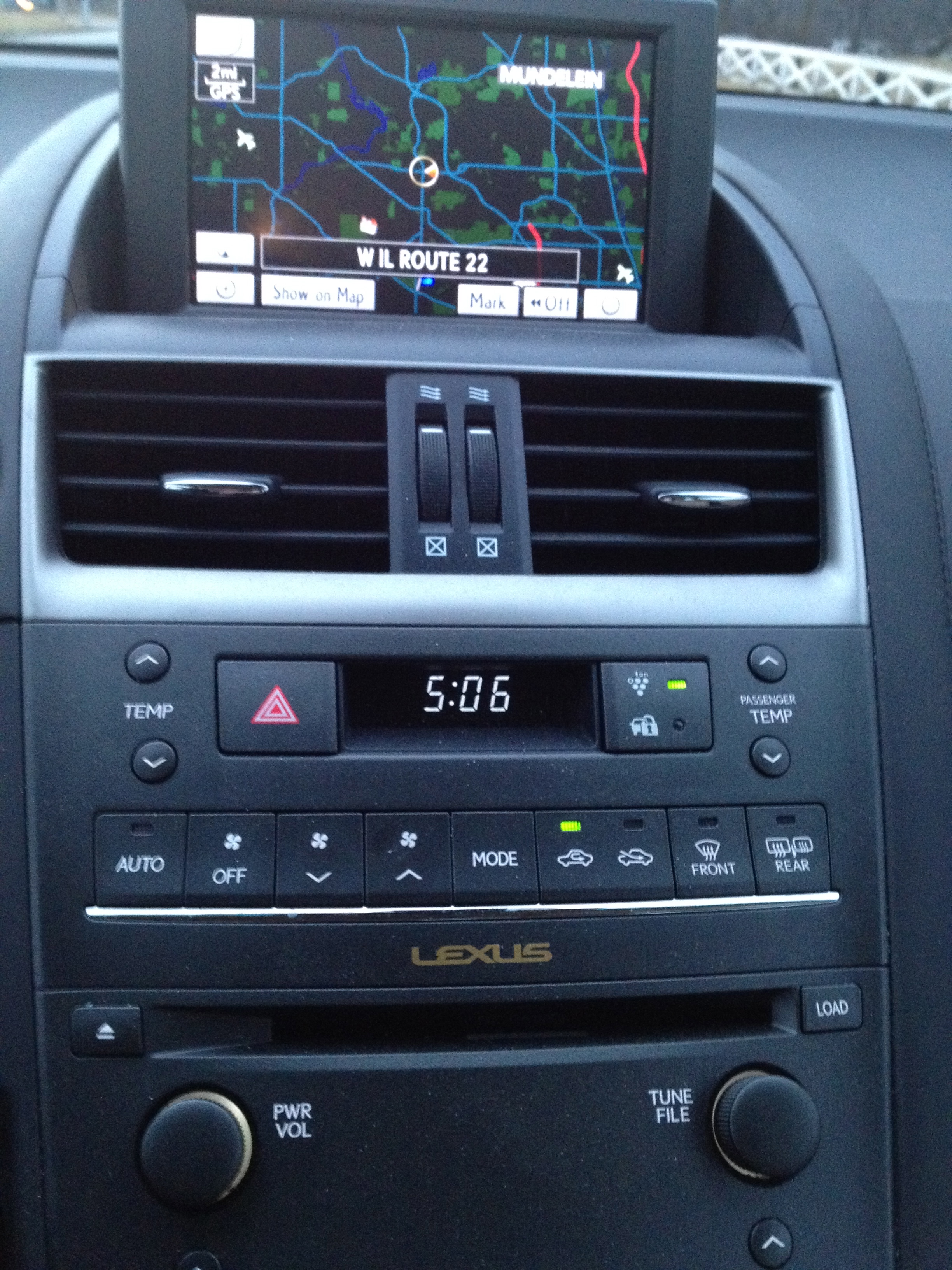
EverywhereLexus GPS I go now there is likely to be some content vying for my attention. When I get in my car I see my GPS calculating routes for me to choose from.

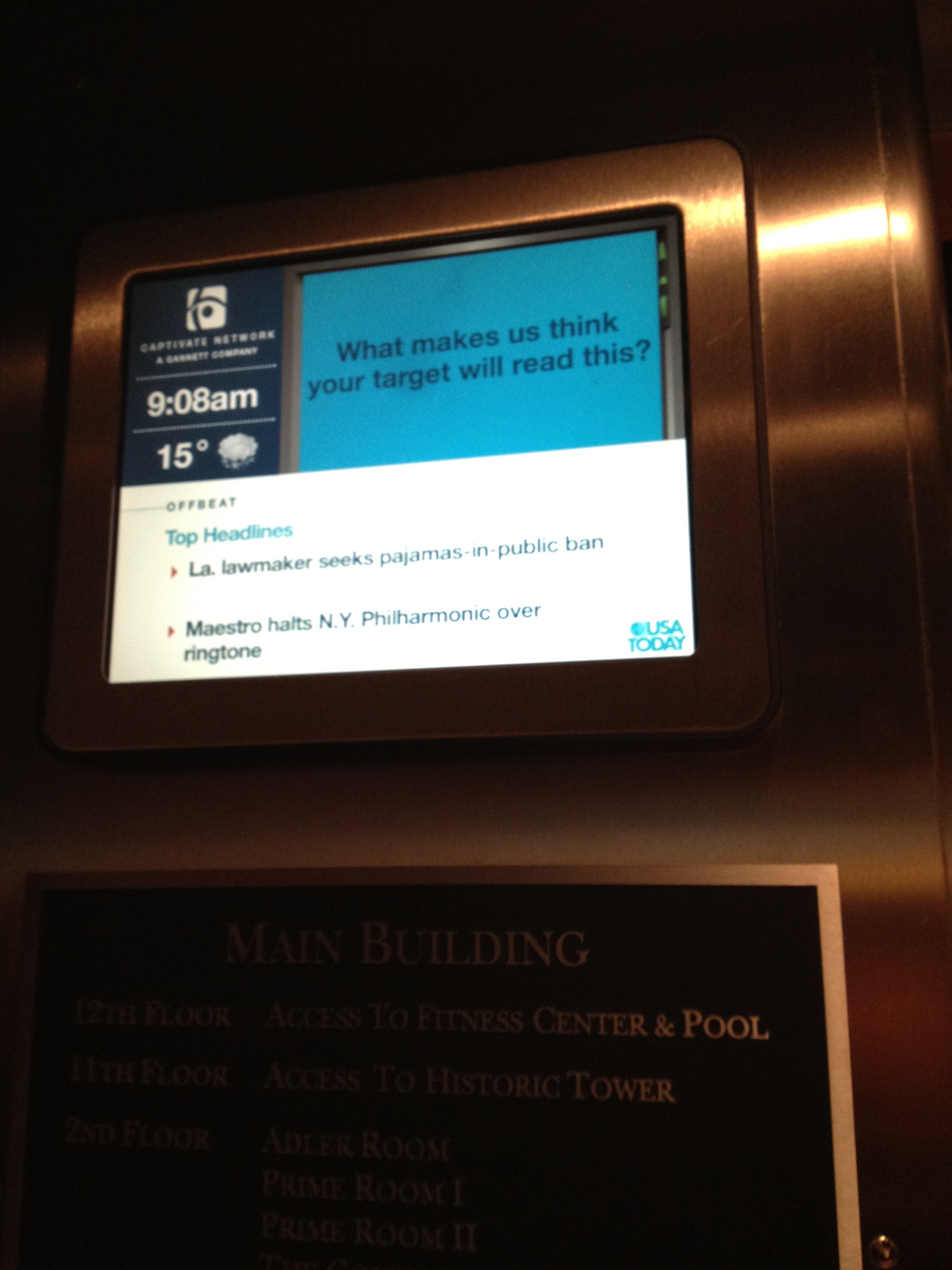
Elevator video screenWhen I arrive at an office building, I take the elevator to the 7th floor and see a video screen during my 10-second ride up.

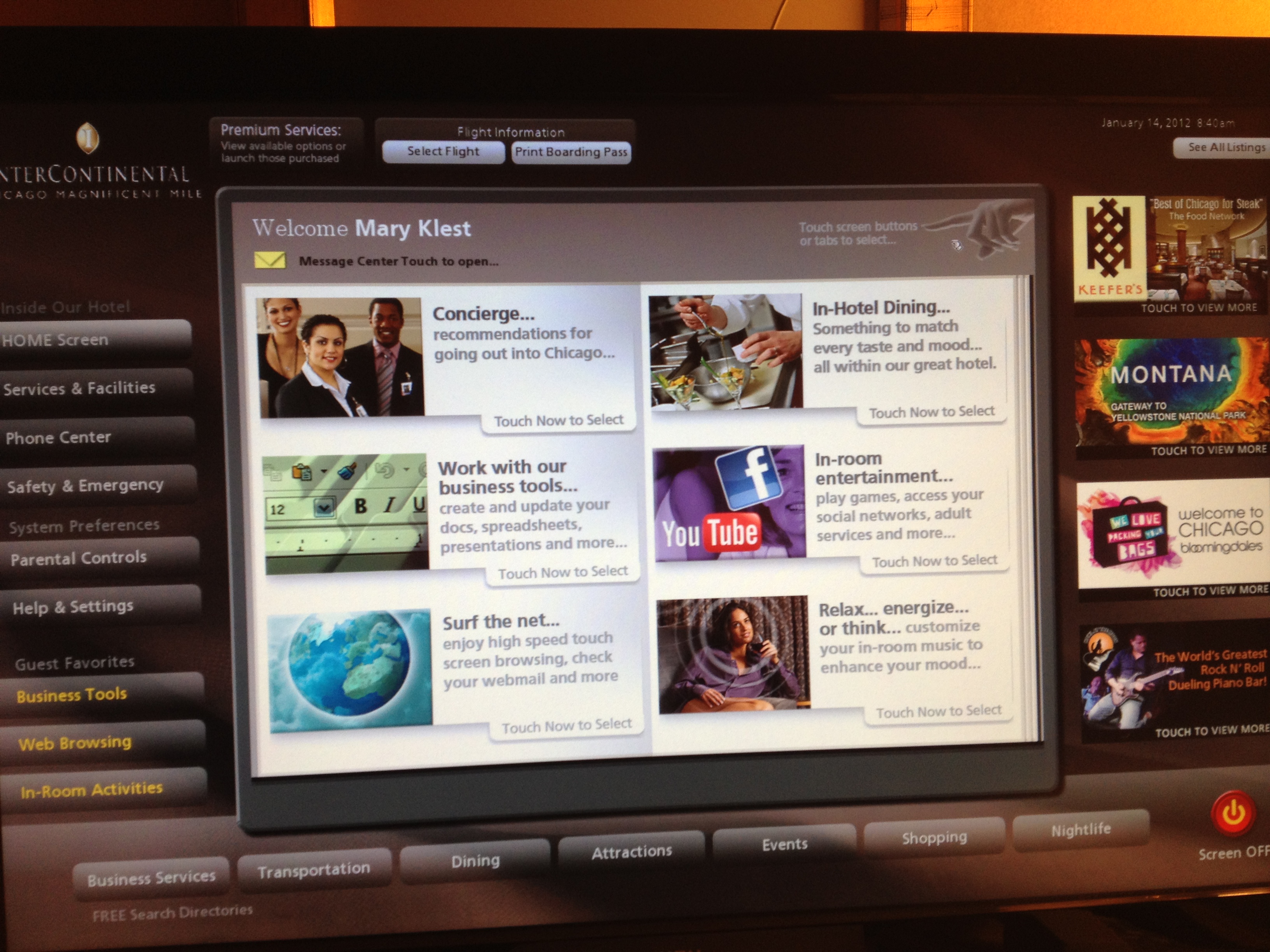
Hotel computer screen

I arrive at my hotel room and am welcomed by another screen filled with information. Only I can’t find when checkout time is and get very frustrated before picking up the phone and calling the front desk.

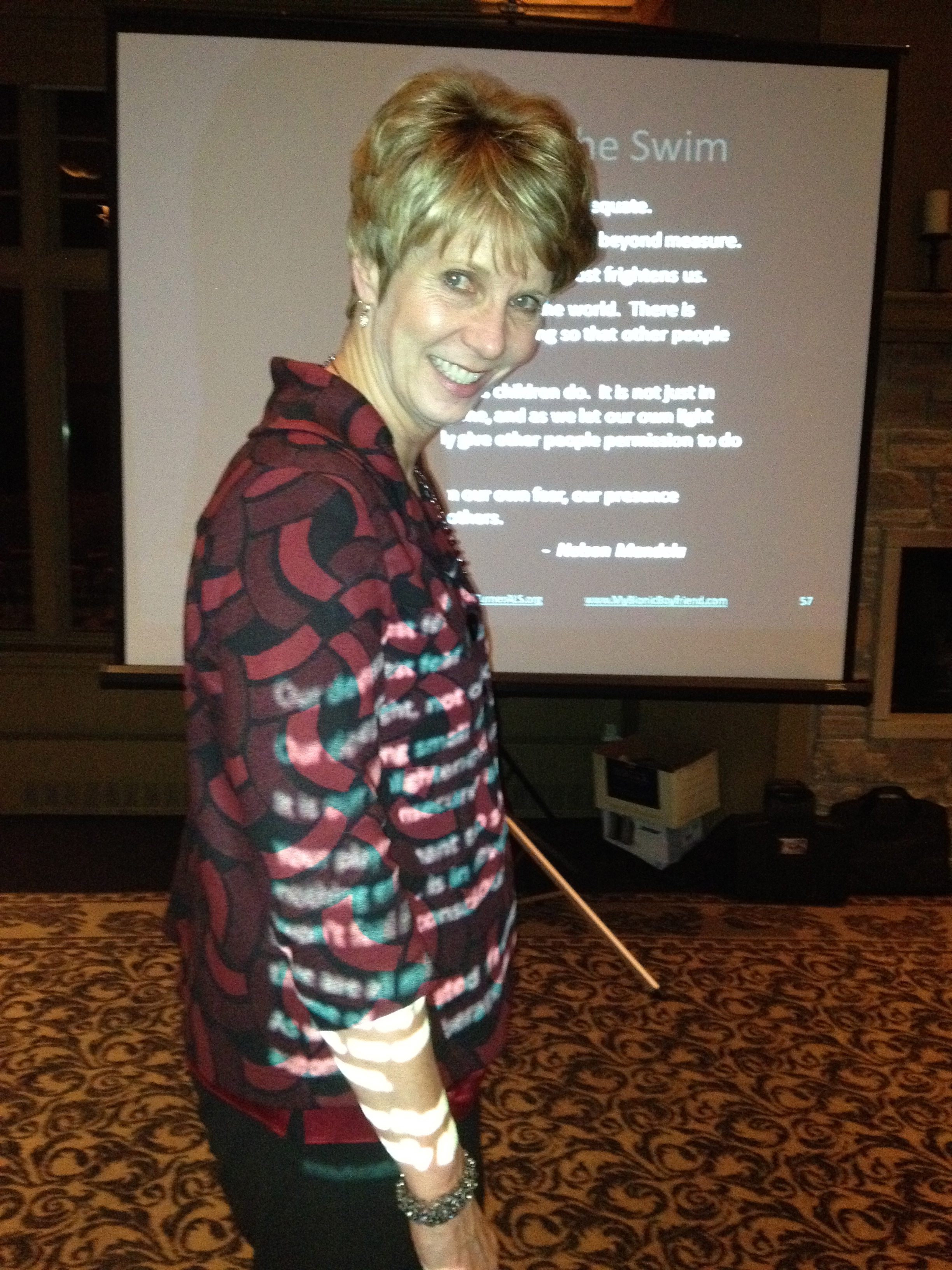
Wearable contentAnd when I arrive at a presentation I am met with a new fashion statement – wearable content!

Being a content writer I am aware of all the content that surrounds me. As long as it is useable, informs or entertains I am okay with this content-filled lifestyle.