You can read all the articles you want about social media marketing for B2B companies, but until you jump in and do it, you probably won’t realize what you need to succeed. As many have found out, hiring a college-age daughter or son to set up your Facebook page or your twitter account isn’t the answer.
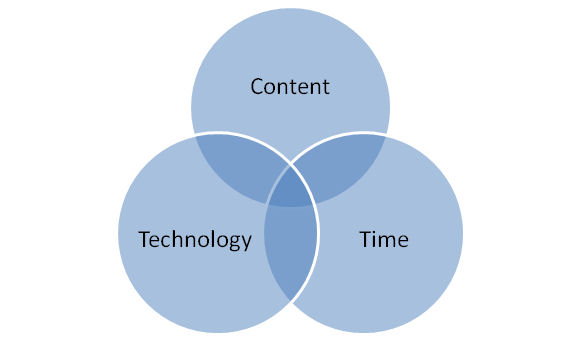
If hardly anyone is reading your blog, visiting your Facebook page or following you on Twitter, there is a good chance you may be lacking in at least one of these three success areas.
Success Factor No. 1: Content
You don’t have the foggiest idea what your customers would find interesting or engaging. You find it hard to think beyond what you sell, and you probably don’t enjoy staring at a blank page.
A content strategist can help you plan what you want to say and how you are going to say it. Content strategists know how to find engaging stories about your business or topic area that people actually want to read. And the best part … they never run out of ideas.
Content creators get the work done, creating blog posts, videos, and slide shows. Crafting messages that sound like you or your brand, only better. Content curators select the “best of the best” information and ideas, creating value for your B2B audience.
Success Factor No. 2: Technology
Words like “meta tag,” “API” and “robots” scare you. You’ve never seen or even attempted to find the traffic statistics for your website or blog. You aren’t interested in learning a whole new language.
Without knowing the technology behind social media, the best content in the world can remain lost. And without reviewing your website analytics, content opportunities will be lost.
Boosts in website traffic require link building and that means knowing where on the Web you need to be. Each social media network has its own characteristics. Do you have the patience to listen and learn?
Social media training will shorten the learning curve and let you know where you need to focus first. Mastering the technology skills can help your social media efforts deliver a better ROI from the get-go.
Success Factor No. 3: Time
Once you engage your B-2-B business in social media, you quickly understand the tedium of it all . Day after day, week after week, you need to participate, create content, and promote content. Conversations aren’t all in one place. Information needs to be posted in a lot of places with thoughtful messages targeted to the audience. It’s downright time consuming.
However, the more you are involved in social media, the greater the benefit you are likely to receive. Do you have the time? Do you know the tools that can help you best manage and monitor your efforts? Do you have someone who can do the “grunge” work for you?
Some businesses and business owners want to do social media themselves and they have everything they need to succeed: Content, Technology and Time. That’s terrific. Some may have the content, but lack the time and energy. Others may have the technological skills, but lack content.
The important thing is to not get hung up on what you don’t know.Recognize it and get some help. Hire someone to get you started. Build a team and share your knowledge. Sign up to receive some social media training. Move on. Don’t give up.
What has held back your social media efforts? What kind of help does your business need?
 When developing a content strategy we look for themes and subjects to talk about. This typically involves going beyond the usual parameters of a product or service.