Press Release Strategy – Create Your Own News Cycle

On Air signYour company takes action – a new product or service is launched, a partnership agreement is reached, a new executive member is hired, you won an award from a national association. These are all examples of press releases I’ve managed in the last few weeks. Rather than react to what’s going on around them these companies create their own news cycle inexpensively and effectively through press releases. You can too.

Advantages to distributing your news through press releases are many:

  • Reach audiences by industry including journalists who write on the topic, bloggers and potential buyers.
  • Increase traffic to website. Improve site ranking in search engines. Get listed on top news sites such as Yahoo News and Google News.
  • Position the company as a trustworthy source. Retain a credible third party, online presence that you can link to.
  • Measure interactions using analytics. Increase your authority with backlinks from authoritative sites.

To create your own news cycle target the audience by industry or region. The length of the press release should be 400 to 500 words. Add images or video. There is no place in the press release for untruths or exaggeration.  When in doubt, leave it out. Use keyword phrases especially in the headline and first paragraph. When people search for these terms your release may be among the organic search items presented by search engines.

Reach Journalists/Media Outlets

Write a potent headline. Craft a compelling first paragraph revealing what’s covered and why. Include facts and quote reliable sources in the body. How is your news going to make things better? Include specific locations and names. End with a summary paragraph. Be sure to include contact information.

Reach Prospects/Customers

Press releases can be targeted for a buying cycle.  For someone just beginning to look for information, Lee Odden, CEO of TopRank, suggests adding comparisons to the competition in the release. In mid cycle, he emphasizes price and features. For prospects ready to buy, he recommends including specific offers that are easily accessed through a link.

Reach Industry Influencers / Your Network

Distribute your press release through a news service (PR Newswire, Marketwire, Business Wire, PRWeb). Their “page rank” passes on to every press release. Rates for distribution can range from $89 to $950. Free services are an alternative but have less impact.

Send an email to your own network with a link to the news release.

Mention whomever or whatever news outlet picked up your release in your social media channels such as Twitter, LinkedIn and Facebook.

Be consistent. Jon Wuebben, author of Content is Currency, recommends sending out one press release per month. An effective press release strategy relies on multiple, timed releases. Search engines often rank by how recent the content is. Your competitors may be generating news as well, so it’s best to keep your news flowing.

The Internet has democratized the use of press releases. Yet the ability to craft a release, target an audience, and unleash all the opportunities available after distribution should be skillfully executed by a knowledgeable professional who understands news cycles. Connect with a content writer who has online public relations experience to reap the benefits of press releases for your company.

Content Everywhere: By Land, By Sea, By Air

EverywhereLexus GPS I go now there is likely to be some content vying for my attention. When I get in my car I see my GPS calculating routes for me to choose from.

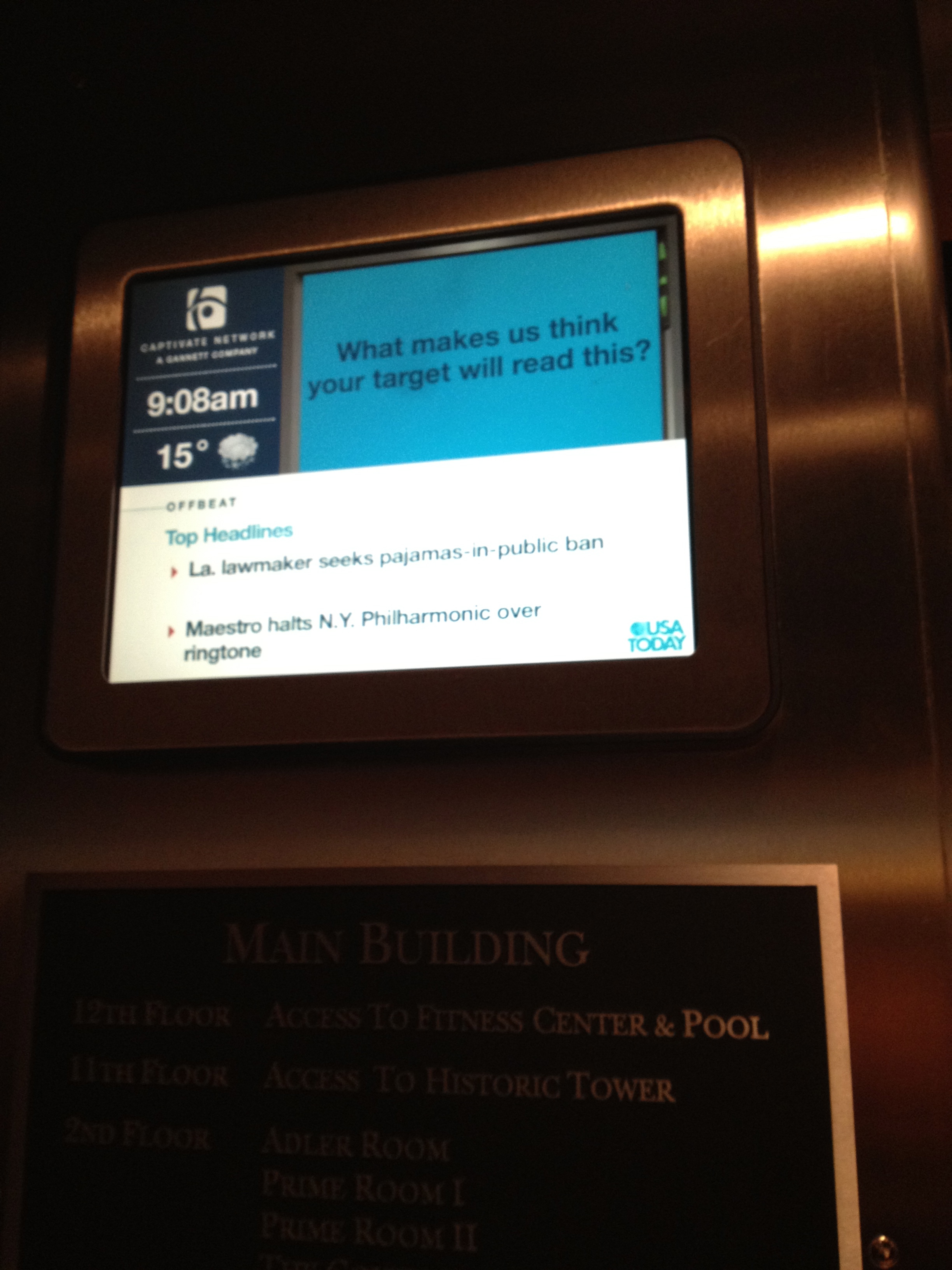
Elevator video screenWhen I arrive at an office building, I take the elevator to the 7th floor and see a video screen during my 10-second ride up.

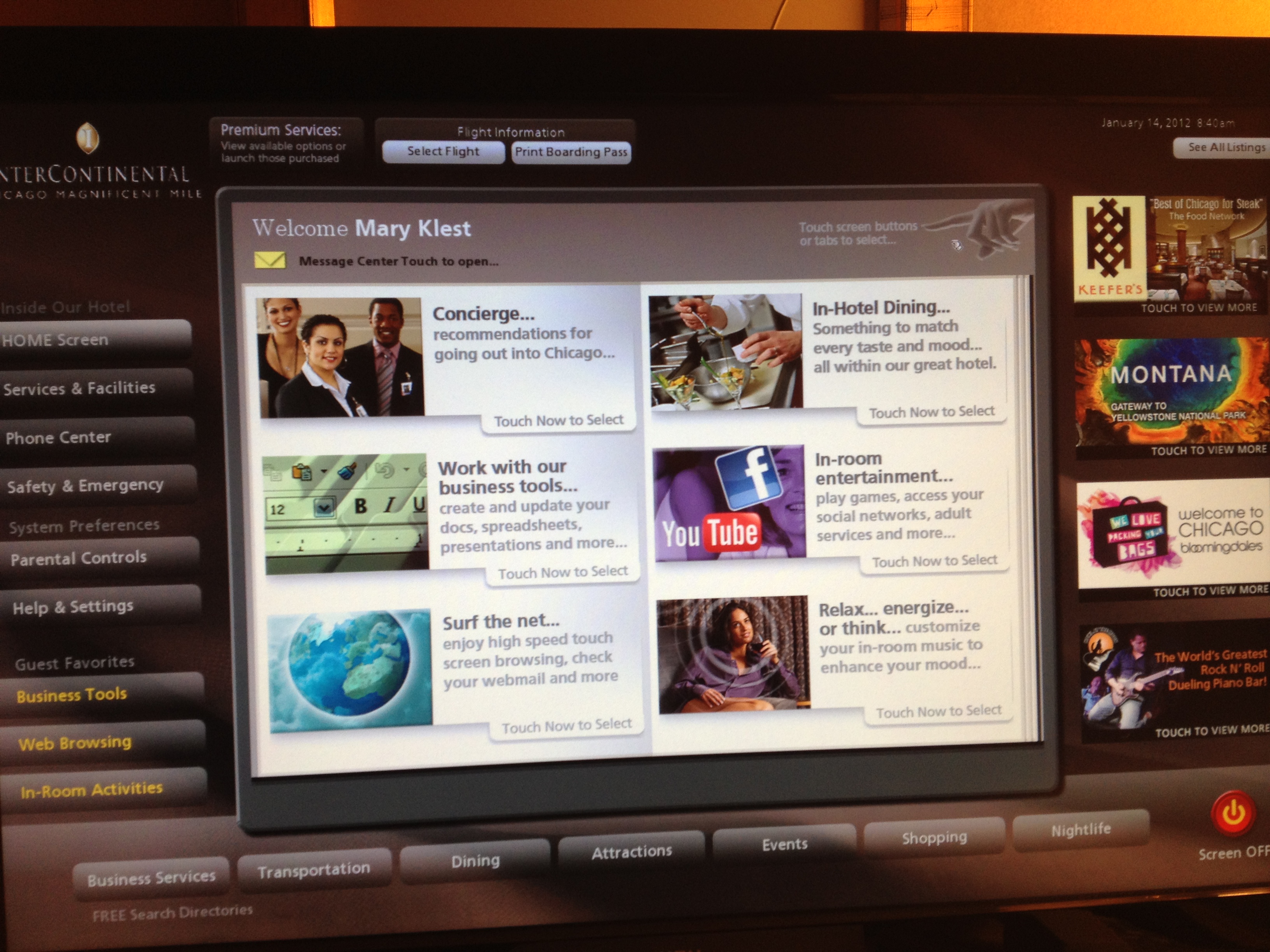
Hotel computer screen

I arrive at my hotel room and am welcomed by another screen filled with information. Only I can’t find when checkout time is and get very frustrated before picking up the phone and calling the front desk.

Wearable contentAnd when I arrive at a presentation I am met with a new fashion statement – wearable content!

Being a content writer I am aware of all the content that surrounds me. As long as it is useable, informs or entertains I am okay with this content-filled lifestyle.

What Do Content and Robust Seniors Have in Common?

Robust seniorWhen robust seniors were asked to share their top ten tips for productive aging I immediately saw a correlation between their advice and how good content supports the health of a business.

Is your company aging well? Use this shared wisdom from seniors to revitalize your business content.

1. Simplify. Identify priorities and trim the superfluous.

Companies often have only seconds to capture the attention of potential customers. Content that articulates in a simple form offers clarity. The most important content is positioned first and the least, last.

2. Pay attention to yourself.

True differentiation in the market place comes from knowing who you are as a company. Staying true to the vision and its expression creates authentic content, attracting the kind of customers you want.

3. Continue to teach and learn.

Lessons learned is a great topic for content. It shows that a company has humility and continues to learn. Sharing a lesson makes a company generous and likable in the eyes of its audience.

4. Be flexible: learn to navigate change.

This is a key message in Eric Ries’ book The Lean Startup (which shares insights for any size business at any age). Knowing when to pivot and redirect is vital to keeping a company strong and its content fresh.

5. Be charitable: make it a practice to give.

By giving valuable content companies receive more than an email address, an online reaction, or purchase.  They become trustworthy and authoritative.

6. Be financially astute.

If you are spending more money with little return, it is a sign your company is not aging well. Added features should command higher prices, but only when they are positioned as problem solvers for your customer.

7. Participate in activities that interest you.

Any action is a source for content. Show your industry involvement, your achievements, your subject matter expertise through blogs and forums of interest.

8. Commit to good nutrition and exercise.

Publish new ideas that feed the growth of your business in an internal newsletter and routinely experiment with executing some of them on a scale that makes sense.

9. Think about your past and future, deal with your mortality.

Business longevity, experience, and familiarity make it comfortable for customers to work with you. Surprise keeps them interested.

10. Be involved, be positive, link with others.

The social web invites you to connect in ways never before possible. Positive content is shared more often than negative. Spread your news and that of your customers with goodwill.

Which tip is your favorite?

How to Prioritize Your Content

Juggling content prioritiesInformation needs to be served quickly and accurately to be effective. Some companies stick to a consistent schedule of key messages. Others rely on intuitive thinking. Others get lost in a sea of reactive response. I have seen businesses falter when it comes to prioritizing their content. The result may be an outdated website, missed opportunities to engage audiences and failure to influence.

With so many ways to meet information demand, how do you prioritize your content? I asked Chris Brogan, digital media advisor and president of Human Business Works, how he prioritizes the incredible amount of content he produces each day on social media, newsletters, blog posts and for clients. Within an hour I received his response via email:

“I write mine based on themes that roll into my head at any given time. Sometimes, I’m on a tear and have a series in mind. Other times, I just create based on something that I’ve been asked or from some observation in the ‘real’ world.”

He often begins with social channels which he says leads to a blog post, which leads to a newsletter article, which leads to a potential conversion/sale.

Here are some ideas on how to prioritize your content.

Segment Your Audience

List the different audiences who need or want your information. There are lots of people who may read your website, social media channels, blog, newsletter or email. List priorities for each group. Refer to the list to stay focused.

Know the “Must Haves”

In the “real” world information may be required by law or regulation.  Or, a CEO directive. This may be paramount, priority number 1.

Is it Mission Critical?

When information is critical to program operations or service offerings it becomes a priority. Relevance and timeliness are important factors in business. Do not linger.

Stay Responsive

When the company is being inundated with questions on a particular topic/product/interaction address it now in your content. In fact, become proactive when you find your audience lacks clarity about an issue.

Be Ready

Monitor industry news to find out what’s happening currently. When appropriate, determine how your company can add to the topic using its expertise. These opportunities are fleeting so they become high priority. After the fact attention won’t cut it.

Review your high-traffic pages.  Consult your experts to determine what content will have the most immediate impact, then create and publish.

Adhering to content priorities reduces guesswork and positions the company well to feed the thirst for information. How do you prioritize your content?

Take Advantage of “Halo Effect” in Content

Halo effectThe halo effect describes how one characteristic can affect the perception of another. If you have a beautifully designed website, chances are its content will be viewed favorably as well. Such influence impacts how the whole company is perceived. The opposite is true too. A poorly designed website and one with weak content can reflect badly on the company.

The halo effect can be applied to the sequence of descriptive words in a sentence. Psychologist Solomon Asch used the following two descriptions of two people and solicited comments on their personalities.

Allen: Intelligent – industrious – impulsive – critical – stubborn – envious

Ben: Envious – stubborn – critical – impulsive – industrious – intelligent

Most people viewed Allen more favorably than Ben. Sequence matters because it forms first impressions. Subsequent information may get lost. Good content writers are sensitive to such nuances and craft content to make a good impression.

When customers have a great experience on your website, they most likely will assume you are a good company to work with or buy from. Once that momentum occurs, it’s important to affirm the customer’s positive perception with consistent, high value content.